

Home » Travel Clinic » Travellers’ Diarrhoea
Travellers’ Diarrhoea
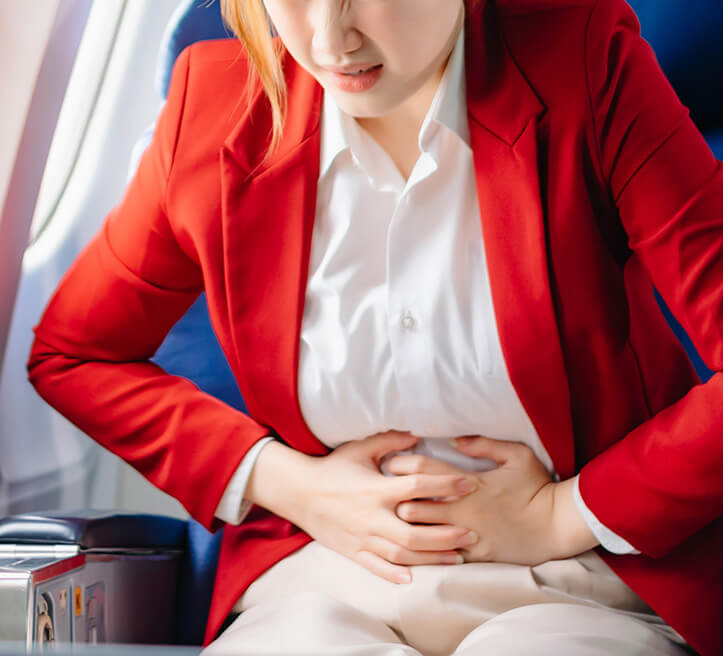
Travelling should be about enjoying new places, not worrying about sudden stomach problems. Travellers’ diarrhoea is one of the most common illnesses people experience abroad, and it can quickly disrupt your plans if you’re not prepared.
At Periville Pharmacy, we offer travellers’ diarrhoea treatment and advice to help you manage symptoms early and get back to enjoying your trip with confidence. We support travellers across Grimsby and areas including Laceby, Keelby, Great Coates, and Healing from our two branches.
What Is Travellers’ Diarrhoea?
Travellers’ Diarrhoea Causes
Travellers’ diarrhoea is most often caused by bacteria, particularly Escherichia coli (E. coli), but viruses and parasites can also be responsible. Infection usually happens after consuming contaminated food or water, particularly in countries where hygiene standards may differ.
Risk can increase with:
- Eating street food or undercooked meals.
- Drinking untreated water or ice.
- Poor hand hygiene.
- Visiting certain destinations with higher infection rates.
What to Expect
at Your Appointment
- Private consultation with a pharmacist
- Assessment of your symptoms
- Clear recovery plan and guidance
Symptoms to Watch For
- Common symptoms include:
- Frequent loose or watery stools.
- Stomach cramps or bloating.
- Feeling sick or vomiting.
- Fever or chills.
- Fatigue.
- If symptoms are severe, persistent, or include blood, medical advice should be sought promptly.
Travellers’ Diarrhoea Treatment at Periville Pharmacy
- Preventing dehydration with oral rehydration support.
- Relieving symptoms safely.
- Advising when further care is needed.
Where clinically appropriate, our pharmacists may supply antibiotic treatment such as Azithromycin 250mg tablets following a thorough assessment. This is typically reserved for more severe symptoms or higher-risk situations and is not routinely required for mild cases.
We’ll always explain how and when to use medication safely and when symptoms should not be treated with over-the-counter products.
Preventing Travellers’ Diarrhoea While Abroad
- Wash hands regularly, especially before eating.
- Drink bottled or treated water.
- Avoid ice and unpasteurised foods.
- Eat freshly cooked meals where possible.
- Carry oral rehydration sachets in your travel kit.
Why Choose Periville Pharmacy?
- Experienced pharmacists with travel health expertise.
- Clear, practical advice you can trust.
- Treatment tailored to your destination and health needs.
- Support before, during, or after travel.
- Same-day appointments available at both branches.
Speak to Us Before You Travel
FAQs
News and Insights

Prescription Weight Loss Treatments: What You Need to Know
Maintaining a healthy weight can be challenging, and for some people, lifestyle changes alone may not be enough. In such cases, prescription weight loss treatments can be an option, provided they are used under professional supervision. In this blog, we will explain what prescription weight loss means, the options available, and why

Safe and Effective Ear Care: Expert Earwax Removal in Grimsby
Looking after your ear health is essential, yet earwax build-up is something many people struggle with. While earwax plays an important role in protecting your ear canal, too much can lead to discomfort, hearing issues, and even infections. In this blog, we will explain why earwax removal is important, outline the professional

How Periville Pharmacy Can Help You Beat Hay Fever Symptoms
Hay fever is one of the most common seasonal allergies in the UK, affecting millions each year. While it’s not usually dangerous, it can interfere with work, sleep, and daily life. In this blog, we explain what hay fever is, why it happens, and how Periville Pharmacy can help you manage your symptoms effectively

Which Travel Vaccinations Do You Need for Your Trip?
When planning a trip abroad, it’s easy to focus on flights, hotels, and activities while overlooking one crucial step—protecting your health. Travel vaccinations are an essential part of safe travel, reducing the risk of diseases that may not be common in the UK but are still widespread in other parts of the