

Malaria Prevention

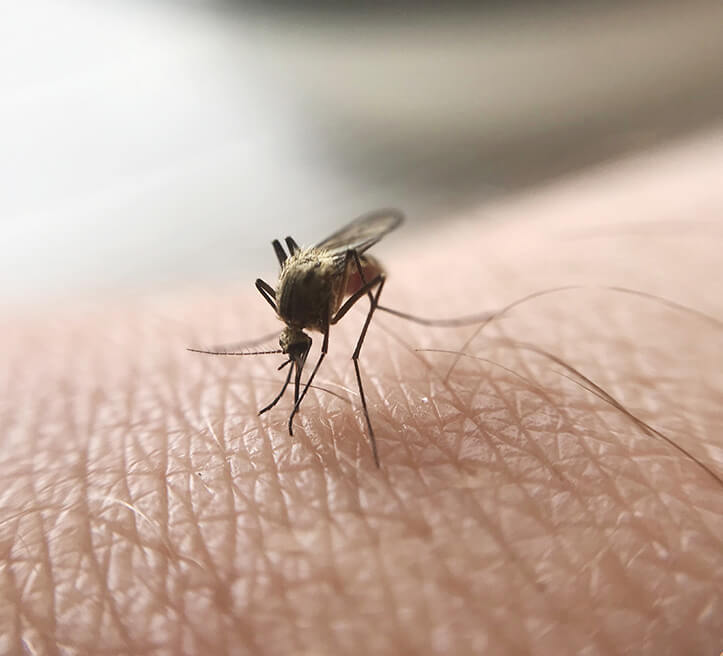
Malaria is a serious tropical disease spread by mosquito bites. Just one bite can cause infection, and without prompt treatment, malaria can become life-threatening.

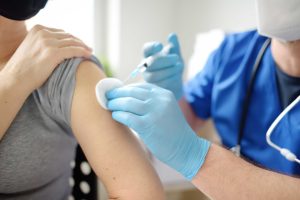
At Periville Pharmacy, we help you reduce your risk before you travel by offering trusted malaria prevention medicine, tailored to your destination and health needs. Our trained pharmacy team supports travellers across Grimsby, including Laceby, Keelby, Great Coates, and Healing, from our two branches.

Book malaria prevention treatment at Periville Pharmacy
Periville Pharmacy travel clinic in Grimsby malaria treatment options

What Is Malaria, and Why Does Prevention Matter?

Malaria is caused by the Plasmodium parasite and is transmitted through the bite of infected mosquitoes, most commonly between sunset and sunrise. There is currently no malaria vaccine recommended for UK travellers, which makes malaria prophylaxis (preventative tablets) and mosquito bite avoidance essential when travelling to risk areas.

Without prevention, malaria can develop quickly and lead to serious complications, particularly in:

Symptoms of Malaria to be Aware of

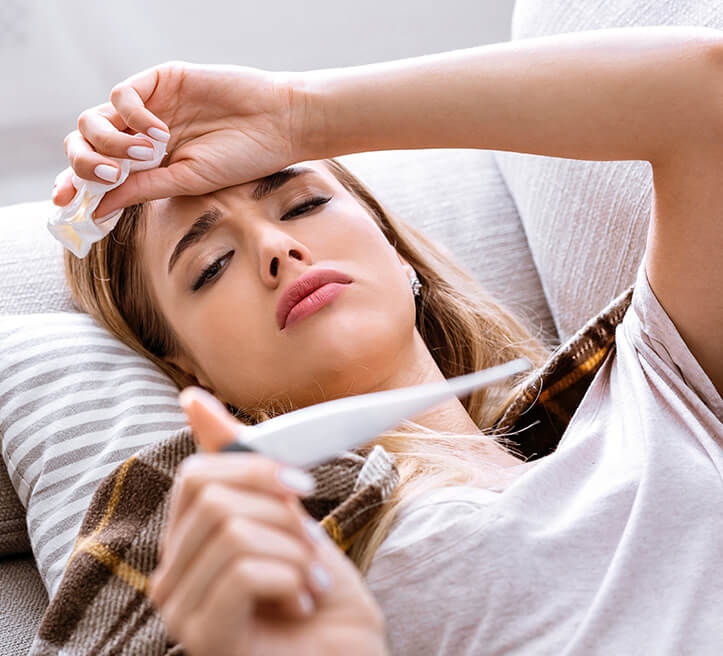
Symptoms often feel similar to the flu and usually appear 6 to 30 days after a bite, though they can start much later. Common malaria symptoms include:
Symptoms can start mild and worsen quickly. Always seek urgent medical help if symptoms appear during or after travel to a malaria-risk country.
Malaria treatment and prevention at Periville Pharmacy

What to Expect
at Your Appointment

Malaria Prevention Medicines We Offer

How Malaria Tablets Protect You

Malaria tablets do not stop the parasite from entering your body, but they prevent the infection from developing, reducing the risk of serious illness. To be effective, tablets must:

Stopping tablets early can still lead to malaria, even after returning to the UK.

Preventing Mosquito Bites While Travelling

Medication works best alongside bite prevention. We strongly advise:

Why Choose Periville Pharmacy?

Book Your Malaria Prevention Appointment Today

If you’re travelling to a malaria-risk country, don’t leave prevention to chance. Visit Periville Pharmacy at our Cromwell Road or Wingate Road branches to discuss malaria tablets for travel, medication suitability, and bite prevention advice. Book early to ensure the right medication is started on time.

FAQs

No. Malaria tablets are only needed for destinations where malaria is present. We’ll check your risk before recommending medication.
This depends on the medication. Some start 1–2 days before travel; others need several weeks. Early planning is important.
No. Most malaria medications must be continued after travel to ensure full protection.
Not always. Your pharmacist will check your medical history, current medicines, and travel plans before recommending treatment.
Yes. Symptoms can appear weeks or months later. Always tell your pharmacist about recent travel.

News and Insights

Cotton bud and ear cleaning safety advice

Why You Should Avoid Cotton Buds in Your Ears

Cotton buds don’t remove earwax; they push it further down the ear canal, which can lead to blockages, damage, and even hearing problems. It’s a habit most of us grew up with, yet it’s one of the most common causes of avoidable ear injuries seen by pharmacists and GPs.   In this blog, we’ll look at why cotton buds

Travel health consultation for diarrhoea prevention

Can You Prevent Travellers’ Diarrhoea With Vaccines?

There is a vaccine that offers some protection against travellers’ diarrhoea, but it only covers certain causes and isn’t a substitute for careful food and water hygiene. Anyone planning a trip abroad, particularly to areas with lower sanitation standards, will want to know exactly what protection is available and what still relies

sore throat treatment in Laceby

When Should You Seek Treatment for a Sore Throat?

A sore throat is one of those things most of us shrug off, and in most cases, that’s the right call. It usually settles within a week on its own. But sometimes it’s a sign that something more is going on, particularly if the pain is severe, it’s still there after seven days, or you’ve got a high temperature and