



Tick-Borne Encephalitis Vaccine

If you’re planning outdoor travel or spending time in woodland or grassy areas abroad, protecting yourself against tick-borne encephalitis is an important part of travel health planning. At Periville Pharmacy, we offer tick-borne encephalitis vaccination as part of our travel health services, with expert advice every step of the way.

We support travellers across Grimsby, including Laceby, Keelby, Great Coates, and Healing, from our welcoming Cromwell Road and Wingate Road branches.

Periville Pharmacy travel vaccination clinic in healing tick borne prevention guidance
tick borne encephalitis vaccine at Periville Pharmacy

What Is Tick-Borne Encephalitis?

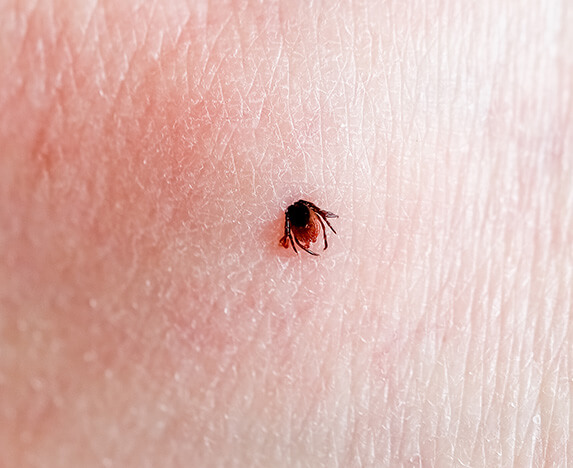
Tick-borne encephalitis (TBE) is a viral infection spread through the bite of infected ticks. Ticks carrying the virus are found in parts of Europe, Asia, and the UK, although the risk of infection in the UK remains very low.

Most people who are exposed do not become unwell, but in rare cases the infection can affect the brain and nervous system, making prevention especially important for travellers spending time outdoors.

Tick-Borne Encephalitis Symptoms

Many people with TBE experience no symptoms at all. When symptoms do occur, they often start around a week after a tick bite and may feel flu-like, including:
In a small number of cases, symptoms can worsen days or weeks later and affect the brain, causing severe headache, neck stiffness, confusion, or seizures. This is why vaccination is recommended for higher-risk travel.
tick borne encephalitis risk advice at Periville Pharmacy

What to Expect
at Your Appointment

Who Is at Risk of Tick-Borne Encephalitis?

Tick-Borne Encephalitis Vaccination

The tick-borne encephalitis vaccine offers effective protection for travellers at risk. It is given as a course of injections:
This is a private vaccination service, as the TBE vaccine is not routinely available on the NHS. Our pharmacists will explain the schedule clearly and help you plan around your travel dates.

Reducing Your Risk of Tick Bites

Alongside vaccination, simple precautions can help lower your risk:
If you find a tick, remove it promptly using fine-tipped tweezers or a tick removal tool, and clean the area thoroughly.

Why Choose Periville Pharmacy?

Book Your Tick-Borne Encephalitis Vaccination

If you’re travelling soon and want added peace of mind, our trained pharmacy team is ready to help. Visit either of our Periville Pharmacy branches or book your tick-borne encephalitis vaccination appointment today for timely, professional care.

FAQs

No. The risk in the UK is very low, but vaccination is recommended for certain travellers abroad.
Anyone travelling to affected areas and planning outdoor activities such as hiking or camping.
You usually need at least 2 doses for travel protection, given at least 2 weeks apart.
No. It is a private travel vaccine available through pharmacies and travel clinics.
The risk is low, but vaccination and bite-prevention measures significantly reduce your risk.

News and Insights

Cotton bud and ear cleaning safety advice

Why You Should Avoid Cotton Buds in Your Ears

Cotton buds don’t remove earwax; they push it further down the ear canal, which can lead to blockages, damage, and even hearing problems. It’s a habit most of us grew up with, yet it’s one of the most common causes of avoidable ear injuries seen by pharmacists and GPs.   In this blog, we’ll look at why cotton buds

Travel health consultation for diarrhoea prevention

Can You Prevent Travellers’ Diarrhoea With Vaccines?

There is a vaccine that offers some protection against travellers’ diarrhoea, but it only covers certain causes and isn’t a substitute for careful food and water hygiene. Anyone planning a trip abroad, particularly to areas with lower sanitation standards, will want to know exactly what protection is available and what still relies

sore throat treatment in Laceby

When Should You Seek Treatment for a Sore Throat?

A sore throat is one of those things most of us shrug off, and in most cases, that’s the right call. It usually settles within a week on its own. But sometimes it’s a sign that something more is going on, particularly if the pain is severe, it’s still there after seven days, or you’ve got a high temperature and