

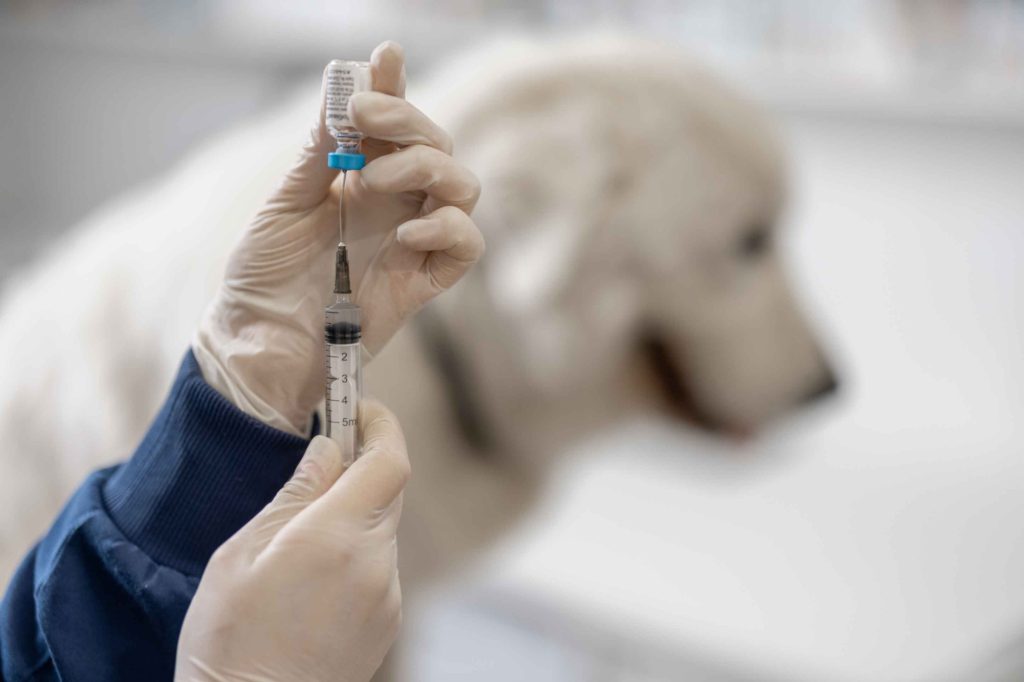
A dog bite should never be ignored. Acting quickly can prevent serious infections, including rabies, which is life-threatening once symptoms appear.
In this blog, you will learn the essential first aid steps after a dog bite, infection risks, and when to get a rabies vaccine.
What Should You Do Immediately After a Dog Bite?
The first few minutes after a bite are crucial. Proper first aid after a dog bite can significantly reduce the risk of infection and complications.
Clean The Wound Thoroughly
Wash the bite with soap and running water for at least 10–15 minutes. This helps remove bacteria and reduces rabies virus exposure.
Apply Antiseptic And Cover
Use an antiseptic and loosely cover the wound with a clean dressing to prevent further contamination.
Seek Medical Help Immediately
Even minor bites need assessment. A healthcare professional will evaluate the need for a rabies injection and other dog bite treatment.
According to NHS guidance, immediate wound cleaning can significantly reduce the risk of rabies and other infections.
Why Rabies Prevention Is Critical After a Dog Bite
Rabies is a viral infection that affects the brain and nervous system. Once symptoms begin, it is almost always fatal.
Symptoms Of Rabies After Dog Bite
Early signs may include:
- Fever and headache
- Tingling near the bite
- Anxiety or confusion
According to the World Health Organization (WHO), prompt vaccination after exposure is nearly 100% effective in preventing rabies.
How The Rabies Vaccine And Treatment Work
The rabies vaccine helps your immune system stop the virus before it spreads. It is a critical part of dog bite treatment. Rabies treatment works best when started as soon as possible after exposure.
Rabies Vaccine Schedule After Dog Bite
The standard rabies vaccine schedule after a dog bite typically includes:
- A dose on day 0 (immediately)
- Follow-up doses on days 3, 7, and 14
Additional Rabies Prevention Measures
In some cases, rabies immunoglobulin may be given for immediate protection alongside the vaccine.
Why Timing Matters
Delaying treatment increases the risk. Early rabies prevention is highly effective, while late treatment may not work once symptoms begin.
Where Can You Get a Rabies Vaccine?
Access to a trusted travel clinic ensures fast treatment and proper follow-up care after a dog bite.
If you are searching for a travel clinic in Healing, our travel vaccination clinic in Grimsby provides fast and reliable care, including:
- Rapid assessment of dog bite injuries.
- Full rabies vaccine and follow-up schedule.
- Expert advice on rabies prevention.
Our team ensures you receive timely and safe care in line with UK health guidelines.
Protect Your Health with Rabies Vaccination at Periville Pharmacy
If you’ve been bitten by a dog or are at risk of rabies exposure, do not delay seeking care. Early action can prevent serious complications and protect your health completely.
Visit one of our two convenient branches in Grimsby or book your appointment today. Our experienced healthcare professionals are here to guide you through every step of your treatment and ensure you receive the right care at the right time.
Frequently Asked Questions
Do I need a rabies vaccine after every dog bite?
Not always, but you should always get medical advice. A rabies vaccine is recommended if the bite breaks the skin and the dog’s vaccination status is unknown or high-risk.
How soon should I get the rabies vaccine after a dog bite?
Immediately is best. The first dose should ideally be given as soon as possible after the bite to prevent the virus from spreading.
What are the early symptoms of rabies after a dog bite?
Early symptoms include fever, headache, and tingling at the bite site. These can appear days to weeks later, which is why early treatment is critical.
Can washing the wound prevent rabies infection?
Yes, thorough washing with soap and water for 10–15 minutes can reduce infection risk significantly, but it does not replace the need for a rabies vaccine.
How many injections are needed for rabies treatment after a bite?
Most people need a series of 4 doses over two weeks, sometimes with an additional dose depending on risk and medical advice.