


Home » Pharmacy First » Impetigo Treatment
Impetigo Treatment
Impetigo is a common skin infection that is highly contagious but usually mild. It most often affects children, though adults can also develop it if their skin is damaged or their immunity is low.
At Periville Pharmacy’s two branches, we provide quick and effective impetigo treatment through the NHS Pharmacy First scheme, so you don’t have to wait for a GP appointment. Our team is here to help you feel comfortable, recover quickly, and reduce the risk of spreading the infection.
What Is Impetigo and Its Symptoms?
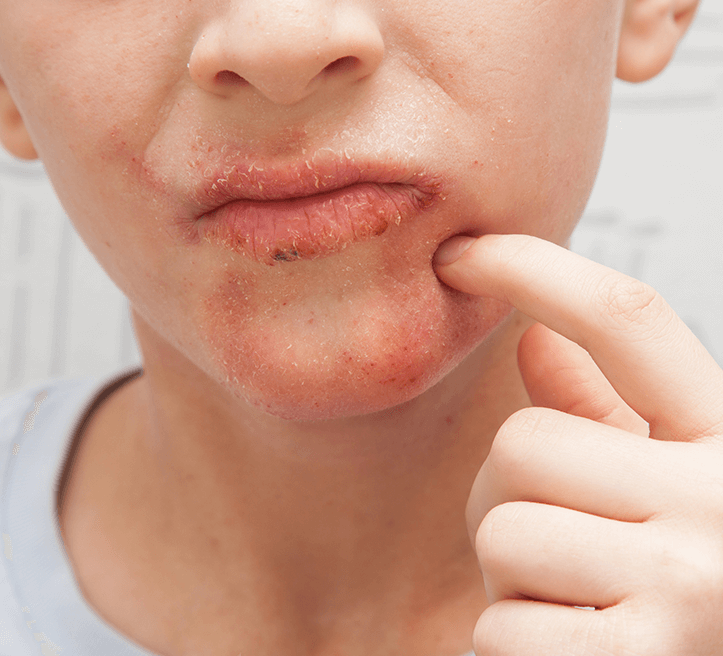
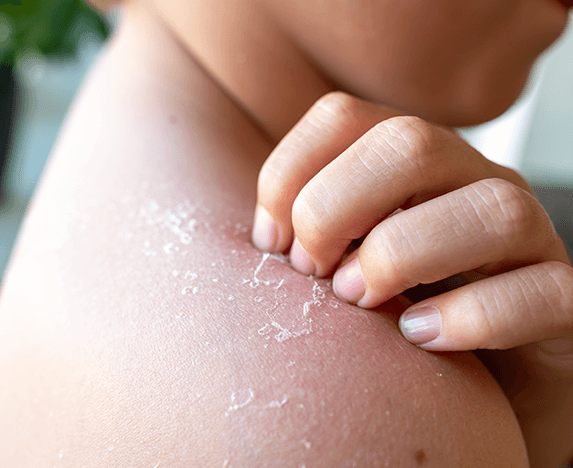
Impetigo often starts with small red sores or blisters. These quickly burst, leaving golden-brown, crusty patches that can look like cornflakes stuck to the skin.
Common impetigo symptoms include:
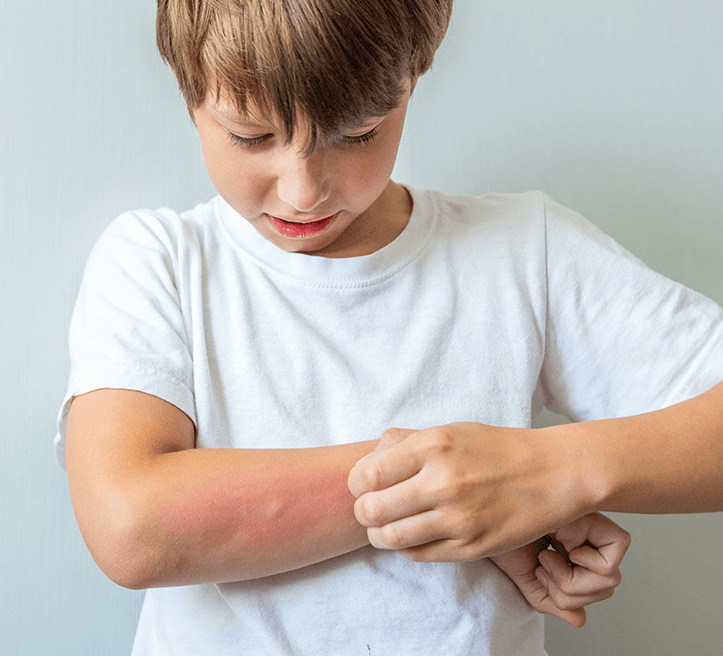
- Itchy or painful sores.
- Blisters that ooze yellow fluid before scabbing over.
- Crusty patches around the nose, mouth, or hands.
While uncomfortable and contagious, impetigo is rarely serious and usually clears within a week when treated.
What Causes Impetigo?
- Cuts, scrapes, or insect bites.
- Skin conditions like eczema.
- Damaged or irritated skin.
Children are most commonly affected, but adults can also get impetigo, particularly if their immune system is weakened.
What to Expect
at Your Appointment
- Private consultation with a pharmacist
- Assessment of your symptoms
- Clear recovery plan and guidance
How to Prevent the Spread of Impetigo
Because impetigo is contagious, it’s important to reduce the risk of passing it on. You can:
- Stay home from school, nursery, or work until you’re no longer contagious.
- Wash your hands regularly, especially after touching affected skin.
- Avoid sharing towels, bedding, or personal items.
- Keep nails short and avoid scratching or picking at sores.
Impetigo usually stops being contagious 48 hours after starting treatment, or once sores have dried and crusted over.
Impetigo Treatment at the Pharmacy
Through Pharmacy First, our trained pharmacists can:
- Assess your impetigo symptoms and confirm the infection.
- Provide effective impetigo treatment, including hydrogen peroxide cream or antibiotic creams/tablets if required.
- Refer you to a GP for further care in more serious cases.
Treatment is important not only to speed up recovery but also to stop the infection from spreading. Always complete your full course of prescribed medication, even if symptoms improve quickly.
Why Choose Periville Pharmacy?
- Fast access to impetigo treatment without GP delays.
- Personalised advice tailored to your symptoms.
- Safe, effective treatments for quick recovery.
- Serving patients of Grimsby and areas including Laceby, Keelby, Great Coates, and Healing.
Don’t Let Impetigo Hold You Back — Contact Us Today
Don’t let impetigo disrupt your day. If you’re looking for fast impetigo treatment in Grimsby, Laceby, Keelby, Great Coates, or Healing, contact us at either of our two branches today. Our expert pharmacists are here to provide safe, effective treatment and advice so you can recover quickly and confidently.
FAQs
With treatment, impetigo usually clears within 7–10 days.
Yes. It spreads through close contact or shared items. You’re usually no longer contagious 48 hours after starting treatment.
It’s caused by bacteria entering the skin through cuts, insect bites, or existing skin conditions like eczema.
Pharmacists can provide hydrogen peroxide cream, antibiotic creams, or tablets if needed.
Yes. While most common in children, impetigo in adults can occur if the skin barrier is weakened.
News and Insights

Your First Weight Loss Consultation: What Actually Happens
Booking your first weight loss consultation can feel like a big step, but the appointment itself is pretty straightforward. Expect a private chat about your health and goals, a quick assessment (including your BMI), and a plan built around what’s actually going to work for you. In this article, we’ll

Strep Throat vs Sore Throat? Here’s How to Tell the Difference
Strep throat and a sore throat can feel almost identical at first, but the cause and treatment differ. Strep throat vs. sore throat isn’t always easy to work out from symptoms alone. A sore throat is usually caused by a virus and settles on its own, while strep throat is
Flu Jab Timing Guide: When’s the Best Time to Get Vaccinated?
The best time to get your flu jab in the UK is usually September, October or early November, before flu starts circulating widely. It takes around 10 to 14 days for your body to build protection after vaccination, so getting your jab at the right time can help you stay

Yellow Fever Vaccine: Everything Travellers Need to Know
If you’re travelling to a country where yellow fever is a risk, getting vaccinated is one of the most important steps you can take before you go. The yellow fever vaccine protects against this serious mosquito-borne disease and is required for entry into some destinations. This guide explains who needs
Meningitis B Vaccine: Everything You Need to Know
If you’ve been told about the Meningitis B vaccine, you may be wondering what it actually protects against, who needs it and whether you or your child can have it. Also known as the MenB vaccine, it protects against meningococcal group B bacteria, which can cause bacterial meningitis and septicaemia.
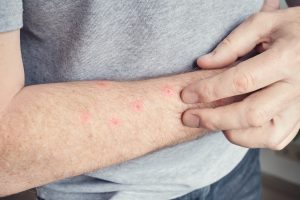
Mosquito Bites vs Spider Bites: What’s the Difference?
Mosquito bites are usually small, itchy bumps, while spider bites in the UK are uncommon and tend to be a single, more painful bite, often from a false widow spider. If you’re not sure what’s bitten you, here’s how to tell the difference between mosquito bites vs spider bites, recognise