

If your hearing suddenly feels muffled, your ear feels blocked, or you keep trying to pop your ears, earwax build-up could be the reason. It doesn’t always cause problems, but when too much wax collects in the ear canal, the symptoms can be hard to ignore.
In this article, we’ll look at the five most common signs of earwax build-up, what can cause it, how it’s treated, and where to get earwax removal in Grimsby.
What Are the Signs of Earwax Build-Up?
Earwax build-up doesn’t always cause symptoms. When it does, you may notice changes in your hearing or how your ear feels. According to NHS guidance, common symptoms include:
1. Muffled or Reduced Hearing
Muffled hearing is one of the most common signs of excessive earwax. Sounds may seem dull or distant, almost as though something is blocking your ear. This happens because impacted earwax can stop sound from reaching the eardrum properly.
2. A Feeling of Fullness or Blockage
Your ear may feel full, plugged or simply not quite right. For some people, this blocked sensation appears before they notice any change in their hearing. You might find yourself touching or wiggling your ear in an attempt to clear it.
3. Earache or Discomfort
Earwax build-up can cause a dull ache or mild discomfort, particularly if the wax has hardened or become impacted against the eardrum. Symptoms of impacted earwax like this shouldn’t be ignored if they persist.
4. Tinnitus (Ringing or Buzzing)
Some people develop tinnitus, a ringing, buzzing or humming noise in the ear, when wax builds up. This usually improves once the blocked earwax has been safely removed.
5. Dizziness or Balance Issues
Dizziness is a less common symptom of earwax build-up. A significant build-up can sometimes cause mild dizziness or a feeling of unsteadiness. If you’re experiencing dizziness, it’s sensible to have your symptoms assessed rather than assuming earwax is responsible.
6. What Causes Earwax Build-Up?
Earwax normally clears from the ear on its own. Problems can occur when this natural process doesn’t work as well or when something pushes the wax further into the ear canal.
Common causes include:
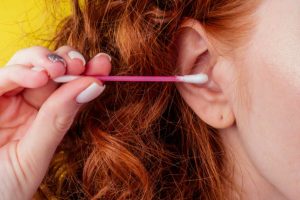
- Using cotton buds or other objects to clean the ears.
- Wearing hearing aids or earphones regularly.
- Naturally narrow or hairy ear canals.
- Increasing age, as earwax becomes drier and harder to clear.
How Is Earwax Build-Up Treated?
Most cases of earwax build-up can be managed with softening drops before professional removal is needed. NHS guidance recommends olive or almond oil drops for several days to help soften the wax. It also advises against using cotton buds or your fingers to remove wax, as these can push it further into the ear.
If your symptoms don’t clear or your ear remains badly blocked, NICE guidance supports professional earwax removal by a trained clinician.
Get Professional Help With Earwax Build-Up
If softening drops haven’t helped, or your symptoms keep coming back, Periville Pharmacy offers professional earwax removal from its two Grimsby branches, serving patients from Healing and the surrounding areas. If you’re looking for earwax removal in Healing, you can book an appointment with our team for a consultation, with most people noticing an improvement in their hearing straight away.
Frequently Asked Questions
What are the signs of earwax build-up?
Common signs of earwax build-up include muffled or reduced hearing, a blocked or full feeling in the ear, earache, tinnitus, and occasionally mild dizziness.
How do I know if I have impacted earwax?
You may have impacted earwax if you notice muffled hearing, a persistent blocked feeling, or discomfort that doesn’t improve after a few days. A pharmacist can check this with a simple ear examination.
Can earwax build-up cause dizziness?
Yes, though it’s less common. A significant build-up can put pressure on the inner ear and cause mild dizziness or unsteadiness, which usually settles once the wax is removed.
Is it safe to remove earwax at home?
Softening drops such as olive or almond oil are generally safe to use at home. Cotton buds and other objects should be avoided, as they can push wax further into the ear canal and make symptoms worse.
How is earwax build-up treated?
Earwax build-up is usually treated with softening drops first. If symptoms persist or the ear is badly blocked, professional removal by a trained clinician may be needed.