
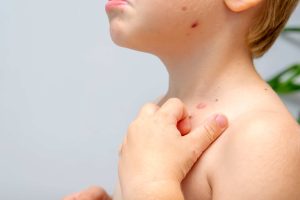
Many people think shingles and chickenpox are entirely different illnesses, but both are caused by the same virus — the varicella-zoster virus. Chickenpox usually affects children, while shingles can appear years later when the virus reactivates in adulthood. Understanding the differences between shingles vs chickenpox can help you spot symptoms early and seek the right care.
In this blog, we’ll look at how these conditions are connected, their key differences, and how you can manage and prevent shingles effectively.
Understanding the Link Between Shingles and Chickenpox
Both conditions are linked through the same virus, but they appear at different stages of life. Let’s understand how this connection works and why shingles may appear years after chickenpox.
How the Varicella-Zoster Virus Works
Chickenpox typically occurs during childhood and usually resolves within a couple of weeks. However, once recovered, the virus remains inactive in your nerve cells for years, silently waiting for a chance to reactivate.
Why Shingles Develops Later in Life
When the immune system weakens, often due to age, stress, or certain health conditions, the virus can reactivate as shingles. According to the NHS, about 1 in 5 adults in the UK will develop shingles in their lifetime, highlighting just how common it is.
Key Differences in Symptoms
Though both are caused by the same virus, their symptoms differ significantly. Understanding these differences can help you identify the condition early and get the right treatment.
Chickenpox Symptoms
Chickenpox often begins with fever, tiredness, and itchy red spots that spread across the body. These spots turn into blisters and later scab over as they heal. It’s highly contagious, especially among children.
Shingles Symptoms
Shingles usually affects one side of the body or face, causing a painful, burning rash. Some people experience tingling, fever, or headache before the rash appears. The pain can last for weeks or months, sometimes leading to postherpetic neuralgia, where nerve pain lingers even after the rash heals.
Treatment and Prevention Options
With the right care, both conditions can be managed effectively. Here’s what you should know about treating shingles and how to lower your risk through vaccination.
Shingles Treatment in Grimsby and Great Coates
Pharmacies offer expert advice and shingles treatment in Grimsby and Great Coates, helping manage pain and speed up recovery. Antivirals are most effective within 72 hours of rash onset, and symptom relief can include painkillers, keeping the rash clean and dry, loose clothing, and cool compresses.
Importance of the Shingles Vaccine
The shingles vaccine is the best way to reduce your risk. It’s offered on the NHS to adults aged 65 on or after 1 September 2023 and to certain younger adults privately with health conditions that lower immunity.
When to Seek Professional Help
If you notice a painful rash, especially on your face or near your eyes, seek medical advice quickly. Early diagnosis and treatment can prevent long-term nerve pain and other complications.
Get Expert Care with Periville Pharmacy
Don’t wait for discomfort to worsen. At Periville Pharmacy, we provide professional shingles treatment in Grimsby and Great Coates. Whether you’re looking for treatment or vaccination advice, our team is here to help you recover comfortably and confidently.
Visit us at your nearest branch or reach out to our team today for personalised advice and care.
Frequently Asked Questions
Q1. Can you get shingles if you’ve never had chickenpox?
No, you can’t get shingles without having had chickenpox first. Shingles develops when the chickenpox virus (varicella-zoster) reactivates later in life. However, if you’ve never had chickenpox, you can catch it from someone with shingles through direct contact with their rash.
Q2. Is shingles contagious like chickenpox?
Not exactly. Shingles itself isn’t directly contagious, but the virus can spread from someone with shingles to another person who hasn’t had chickenpox, causing chickenpox instead. Covering the rash helps reduce the risk of transmission.
Q3. How long does shingles last?
Shingles usually lasts 2 to 4 weeks. The rash typically goes through stages — from tingling and pain to blistering and scabbing over. In some cases, pain can persist for months due to a complication called postherpetic neuralgia.
Q4. What’s the best treatment for shingles?
The best approach combines antiviral medication, pain relief, and proper skin care. Starting antivirals within 72 hours can shorten recovery time. You can speak to our pharmacists at Periville Pharmacy for expert shingles treatment in Grimsby or Great Coates.
Q5. Can I prevent shingles?
Yes. The shingles vaccine is available in the UK for adults aged 65 and above or for those with weakened immune systems. It significantly reduces the risk of developing shingles or experiencing severe symptoms.