

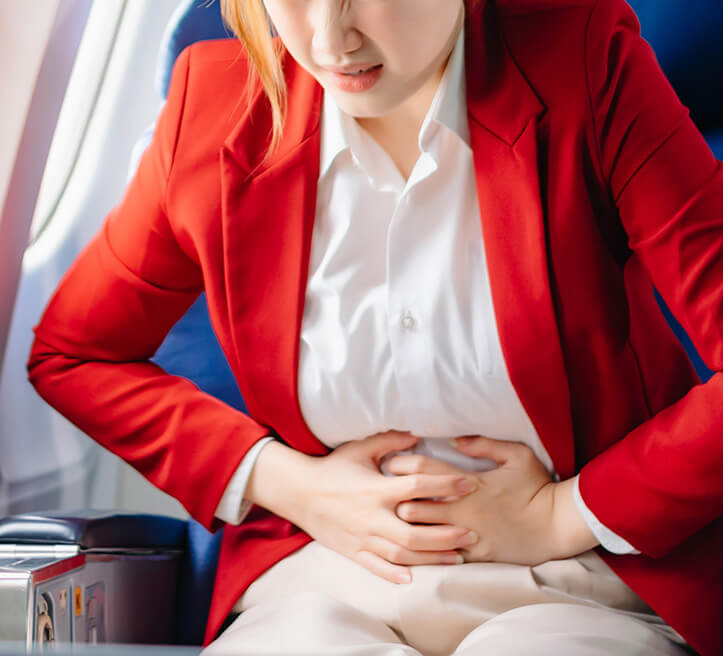



Travellers’ Diarrhoea

Travelling should be about enjoying new places, not worrying about sudden stomach problems. Travellers’ diarrhoea is one of the most common illnesses people experience abroad, and it can quickly disrupt your plans if you’re not prepared.

At Periville Pharmacy, we offer travellers’ diarrhoea treatment and advice to help you manage symptoms early and get back to enjoying your trip with confidence. We support travellers across Grimsby and areas including Laceby, Keelby, Great Coates, and Healing from our two branches.

What Is Travellers’ Diarrhoea?

Travellers’ diarrhoea is usually defined as three or more loose stools in 24 hours, often alongside symptoms like stomach cramps, nausea, fever, or tiredness. Symptoms can begin during travel or shortly after returning home.
Most cases are mild and settle within a few days, but some people may need extra support to prevent dehydration or worsening symptoms.

Travellers’ Diarrhoea Causes

Travellers’ diarrhoea is most often caused by bacteria, particularly Escherichia coli (E. coli), but viruses and parasites can also be responsible. Infection usually happens after consuming contaminated food or water, particularly in countries where hygiene standards may differ.

Risk can increase with:

Stress, dietary changes, and alcohol can sometimes affect bowel habits, but most cases are infection-related.

What to Expect
at Your Appointment

Symptoms to Watch For

Travellers’ Diarrhoea Treatment at Periville Pharmacy

Our pharmacists can provide travellers’ diarrhoea treatment tailored to your symptoms and travel plans. Treatment focuses on:

Where clinically appropriate, our pharmacists may supply antibiotic treatment such as Azithromycin 250mg tablets following a thorough assessment. This is typically reserved for more severe symptoms or higher-risk situations and is not routinely required for mild cases.

We’ll always explain how and when to use medication safely and when symptoms should not be treated with over-the-counter products.

Preventing Travellers’ Diarrhoea While Abroad

While it’s not always possible to avoid travellers’ diarrhoea completely, these steps can reduce your risk:

Why Choose Periville Pharmacy?

Speak to Us Before You Travel

Whether you’re preparing for a long-haul trip or dealing with symptoms after returning home, we’re here to help. Visit either of our Periville Pharmacy branches or book an appointment today for personalised travellers’ diarrhoea advice, treatment, and reassurance, so you can travel with confidence.

FAQs

Most cases improve within 3 to 4 days, but some may last longer and need medical advice.
No. Antibiotics are only recommended in specific cases after assessment.
Staying hydrated is essential. Oral rehydration solutions are very important.
They may help in the short term in adults, but are not suitable for everyone.
If symptoms worsen, last more than 3 days, or include high fever, blood, or signs of dehydration.

News and Insights

Shingles Treatment in Grimsby

Shingles vs. Chickenpox: What’s the Difference?

Many people think shingles and chickenpox are entirely different illnesses, but both are caused by the same virus — the varicella-zoster virus. Chickenpox usually affects children, while shingles can appear years later when the virus reactivates in adulthood. Understanding the differences between shingles vs chickenpox can help you spot symptoms

Infected insect bite treatment in Laceby

Infected Insect Bites in Children: What Parents Should Know

Insect bites are common in children, especially during warmer months. While most bites heal naturally within a few days, some can become infected and require medical attention.   In this blog, we will learn about how to recognise, treat, and prevent infected insect bites in children. Understanding these important steps will

Child holding ear due to earache pain

Common Causes of Earache in Children and Adults

Earache can be surprisingly disruptive, whether it’s a child crying through the night or an adult struggling with sharp, persistent ear pain. While some cases are minor and clear up on their own, ongoing or severe ear pain should never be ignored. By understanding the most common causes, you can recognise when it’s time to seek